How to Build a Practical Newborn Capsule Wardrobe for South African Weather
How to Build a Practical Newborn Capsule Wardrobe for South African Weather
Before your baby arrives, it is easy to imagine a wardrobe filled with tiny outfits, beautiful dresses and adorable matching sets. Then reality arrives: frequent nappy changes, spit-up, laundry and a baby who seems to grow overnight.
A newborn capsule wardrobe keeps things simpler. Instead of buying too many outfits, you choose a small collection of soft, practical baby clothes that can be mixed, matched and layered for changing South African weather.
The goal is not to have less for the sake of it. It is to have the right clothes within easy reach when your baby needs a quick change.
What is a newborn capsule wardrobe?
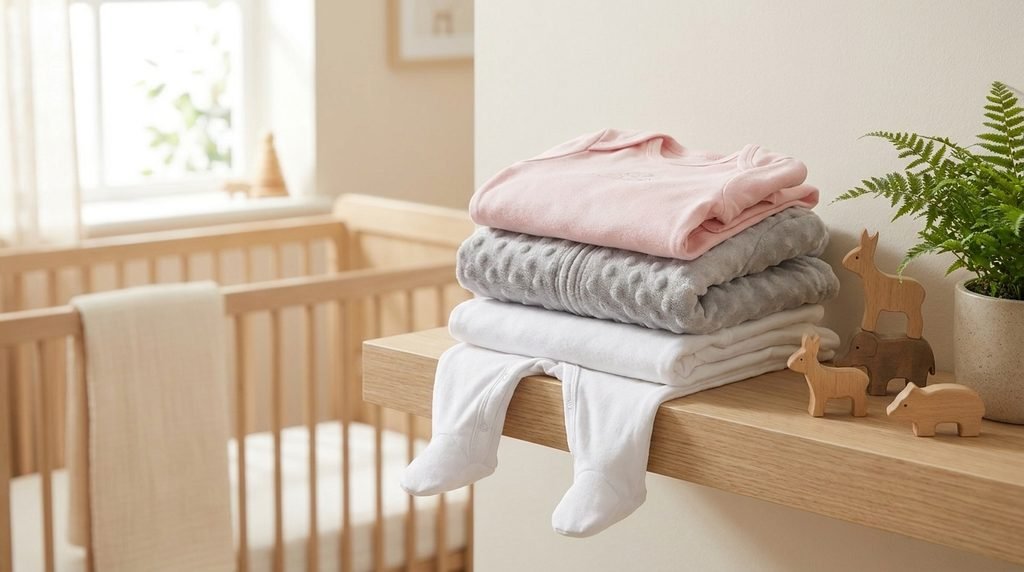
A newborn capsule wardrobe is a small selection of versatile clothing essentials that work together. Most pieces are comfortable, easy to wash and suitable for everyday wear.
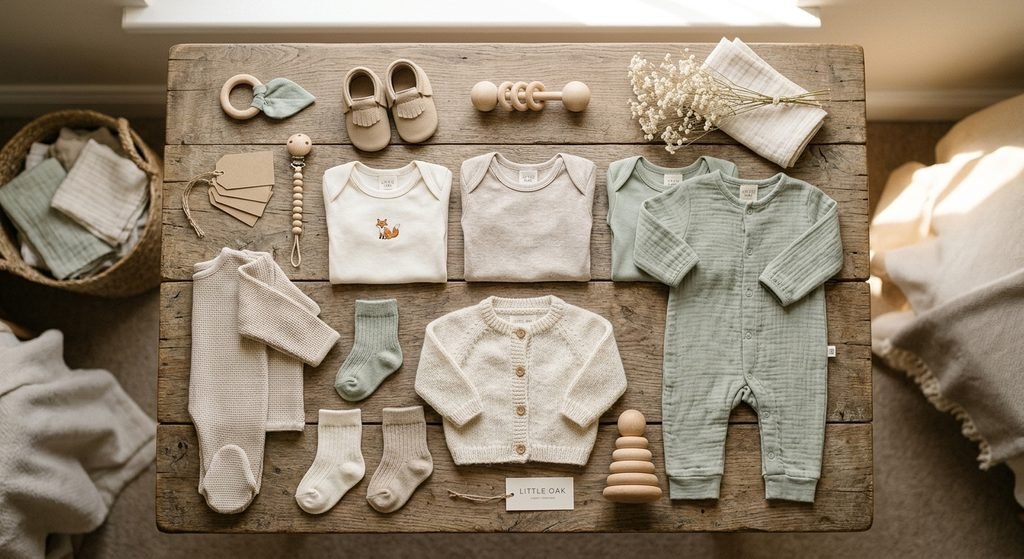
For many families, the best newborn wardrobe includes:
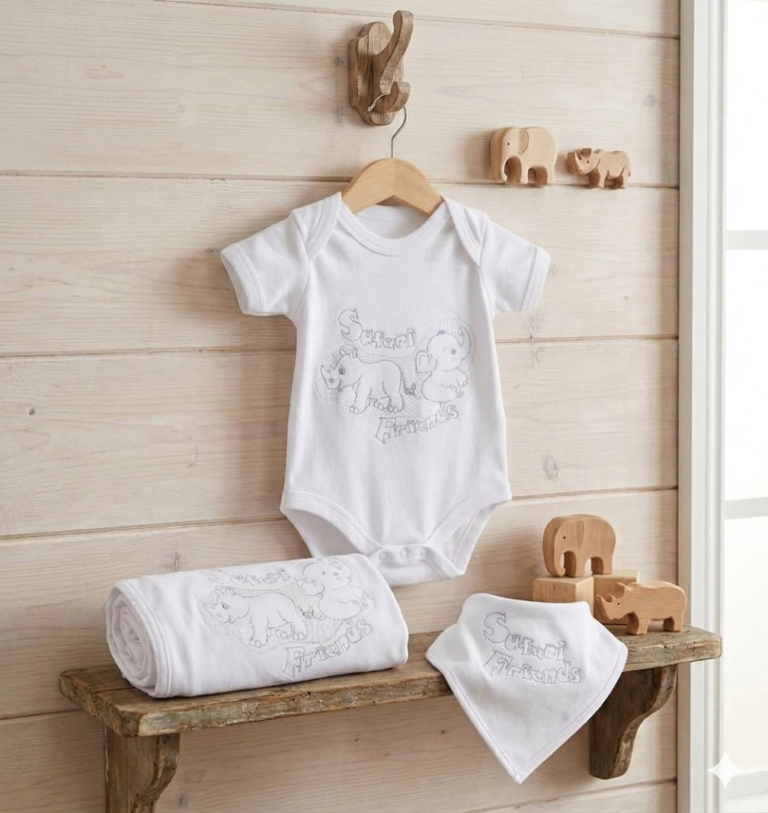
- Soft cotton vests or bodysuits
- Comfortable babygros or sleepsuits
- Stretchy leggings or trousers
- Lightweight cardigans or jackets
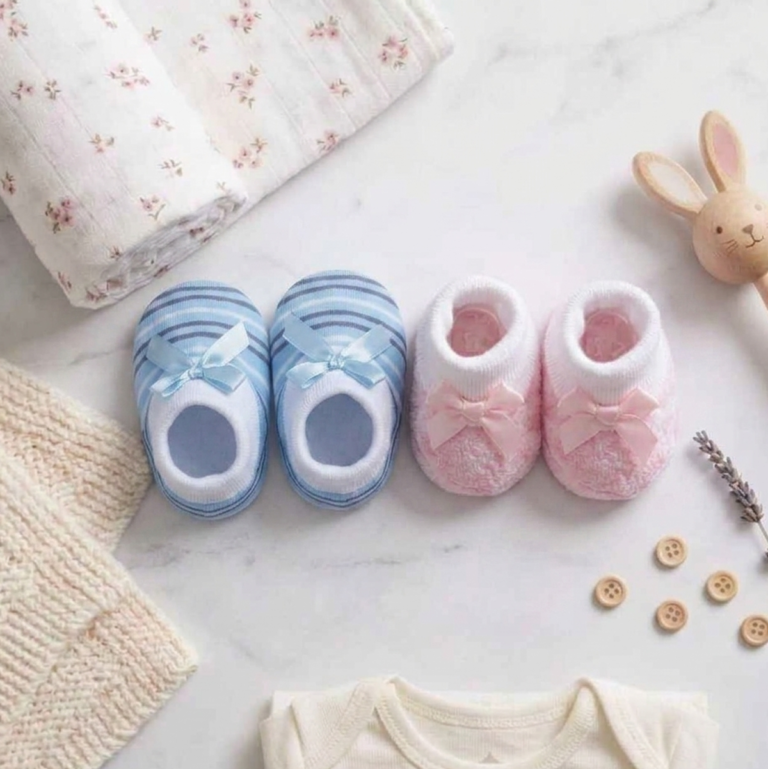
- Socks or booties
- A few special outfits for outings or photographs
- Weather-appropriate hats for outdoor use
Babies do not need a large variety of clothing in the early weeks. They need clothes that are easy to put on, gentle on sensitive skin and practical during frequent changes. The NHS also recommends choosing breathable layers and adjusting clothing according to the season and room temperature. How to dress a newborn baby – Best Start in Life – NHS
Start with soft, breathable basics
A newborn’s skin can be delicate, so soft fabrics are a sensible starting point. Cotton is popular because it is breathable, comfortable and easy to wash.
Look for:
- Smooth seams
- Flexible openings around the neck
- Easy-access poppers or zips
- Soft waistbands
- Clothing without scratchy labels
- Securely attached buttons and decorations
A cotton bodysuit can be worn on its own during warmer weather or used as a first layer when temperatures drop. Babygros are especially useful because they keep little legs covered without needing several separate pieces.
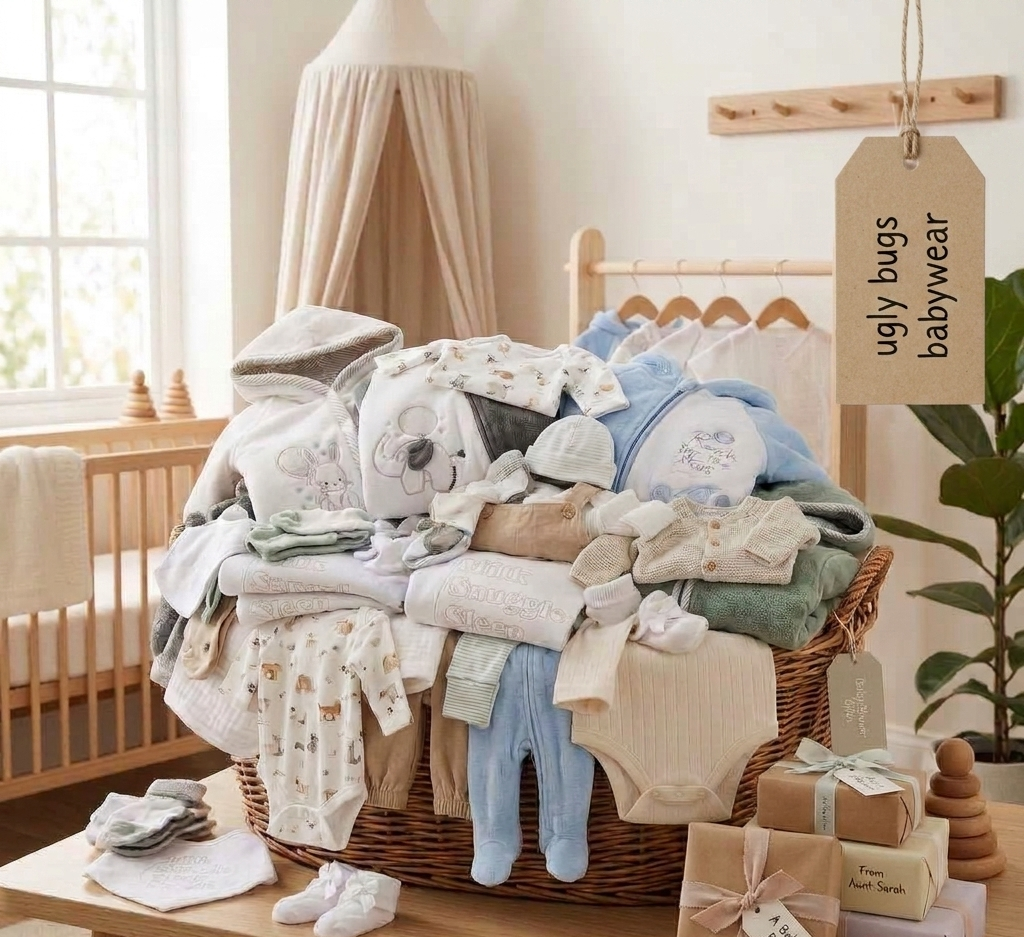
Ugly Bugs BabyWear’s soft 100% cotton babywear collection is a useful place to explore comfortable everyday options for newborns and growing babies.
Choose a small number of useful pieces
There is no perfect shopping list for every family, but a practical starting point might include:
- 6–8 short- or long-sleeved bodysuits
- 5–7 babygros or sleepsuits
- 3–4 pairs of leggings or soft trousers
- 2–3 cardigans or light layers
- 4–6 pairs of socks or booties
- 2 soft hats for outdoor use
- 1–2 outfits for special occasions
- A few muslin cloths for everyday messes
The exact number depends on how often you plan to do laundry. If you wash clothes every second day, you may need fewer items. If laundry happens once a week, adding a few extra basics can make life easier.
It is also wise to buy a mixture of newborn and 0–3-month sizes. Babies arrive in different shapes and sizes, and some newborn clothing may only fit for a short time.
Dress in layers, not bulky outfits
South African weather can change quickly. A cool morning may become warm by lunchtime, while evenings can feel surprisingly chilly.
Layers make it easier to respond without completely changing your baby’s outfit. For example:
- Start with a soft cotton vest or bodysuit.
- Add a babygro or lightweight top and trousers.
- Add a cardigan or jacket when needed.
- Remove the outer layer when indoors or in a warm vehicle.
A useful general guide is to dress your baby in about one more layer than an adult would wear in the same environment. However, every baby and every home is different, so check your baby regularly rather than relying only on a clothing chart. How to dress a newborn baby – Best Start in Life – NHS
Feel your baby’s chest or the back of their neck. Hands and feet can feel cooler than the rest of the body and are not always a reliable guide. If your baby feels hot or sweaty, remove a layer and seek medical advice if you are concerned. Room temperature – The Lullaby Trust
Safety note: This article offers general clothing guidance, not medical advice. For concerns about your baby’s temperature, health or behaviour, speak to a qualified healthcare professional.
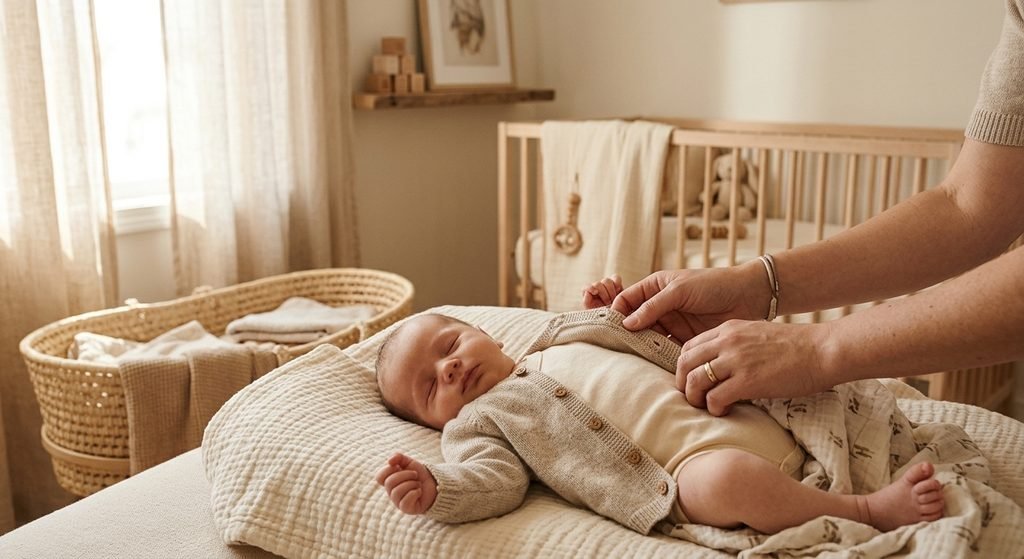
Keep sleepwear simple and safety-focused
Sleepwear deserves extra care. Babies can become too warm when they wear too many layers, and overheating is associated with an increased risk of sudden infant death syndrome. The Lullaby Trust recommends using a room thermometer where possible and keeping babies’ heads uncovered during sleep. Room temperature – The Lullaby Trust
For sleep:
- Choose lightweight, well-fitting sleepwear.
- Use a suitable sleeping bag according to the manufacturer’s instructions.
- Avoid hats indoors and during sleep.
- Keep loose blankets, pillows and soft items out of the sleep space.
- Check your baby’s chest or neck for signs of overheating.
Room temperatures vary across South African homes, so use professional guidance as a starting point and observe your baby’s comfort. For specific safe-sleep advice, consult your healthcare provider or a reputable safer-sleep organisation.
Think about real-life changes
The prettiest outfit is not always the most practical one at 2 a.m. Look for clothes that make nappy changes easier.
Helpful features include:
- Poppers between the legs
- Front-opening tops for very young newborns
- Stretchy necklines
- Zips that open from the top or bottom
- Wide sleeves that are easy to guide over tiny hands
- Fabrics that can handle frequent washing
When buying baby clothes, consider how quickly you can put them on a wriggly baby. A simple babygro may become your favourite item because it is comfortable, quick and reliable.
Wash new clothes before your baby wears them, using a gentle detergent if recommended by your healthcare professional. Always follow the garment’s care label so the fabric stays soft and safe.
Add a few special pieces
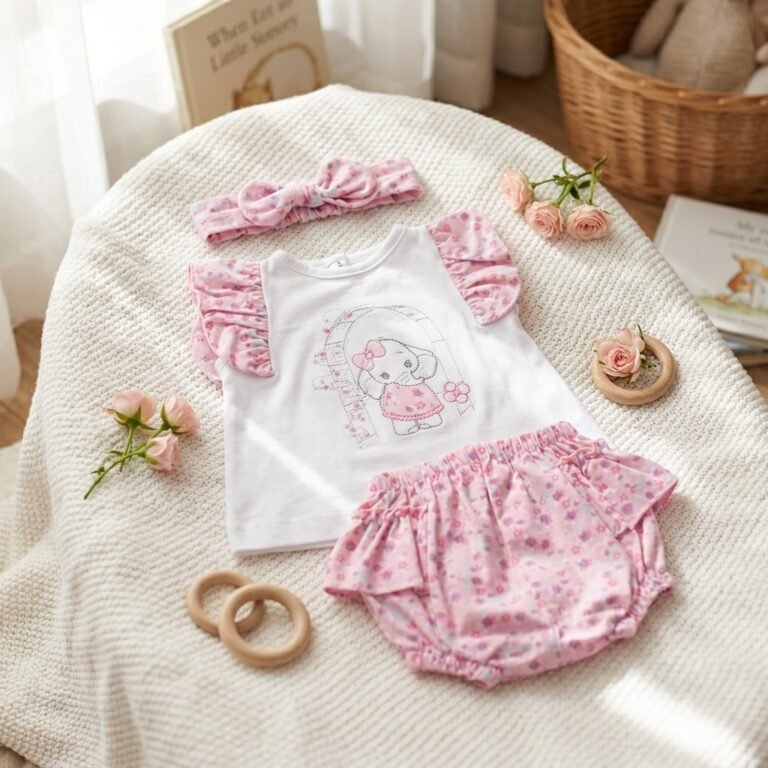
A capsule wardrobe does not have to be boring. Include a few outfits that make you smile, whether it is a knitted cardigan for family photographs, a sweet romper for a first outing or a thoughtful set for a baby shower gift.
The trick is to keep special clothing practical too. Choose outfits that are comfortable, easy to change and suitable for the weather. A beautiful outfit that your baby cannot move comfortably in may spend more time in the cupboard than on your little one.
You can browse Ugly Bugs BabyWear’s newborn clothing collection for soft everyday pieces, gift ideas and newborn essentials.
A simple final checklist
Before your baby arrives, make sure you have:
- Enough everyday outfits for several days
- Clothing in more than one size
- Warm and cool-weather layers
- Easy-access designs for nappy changes
- Soft, breathable fabrics
- Outdoor hats appropriate for the weather
- A safe sleepwear plan
- A laundry routine that works for your household
Most importantly, remember that your baby does not need a perfect wardrobe. They need comfort, care and clothes that help you get through ordinary days with a little less fuss.
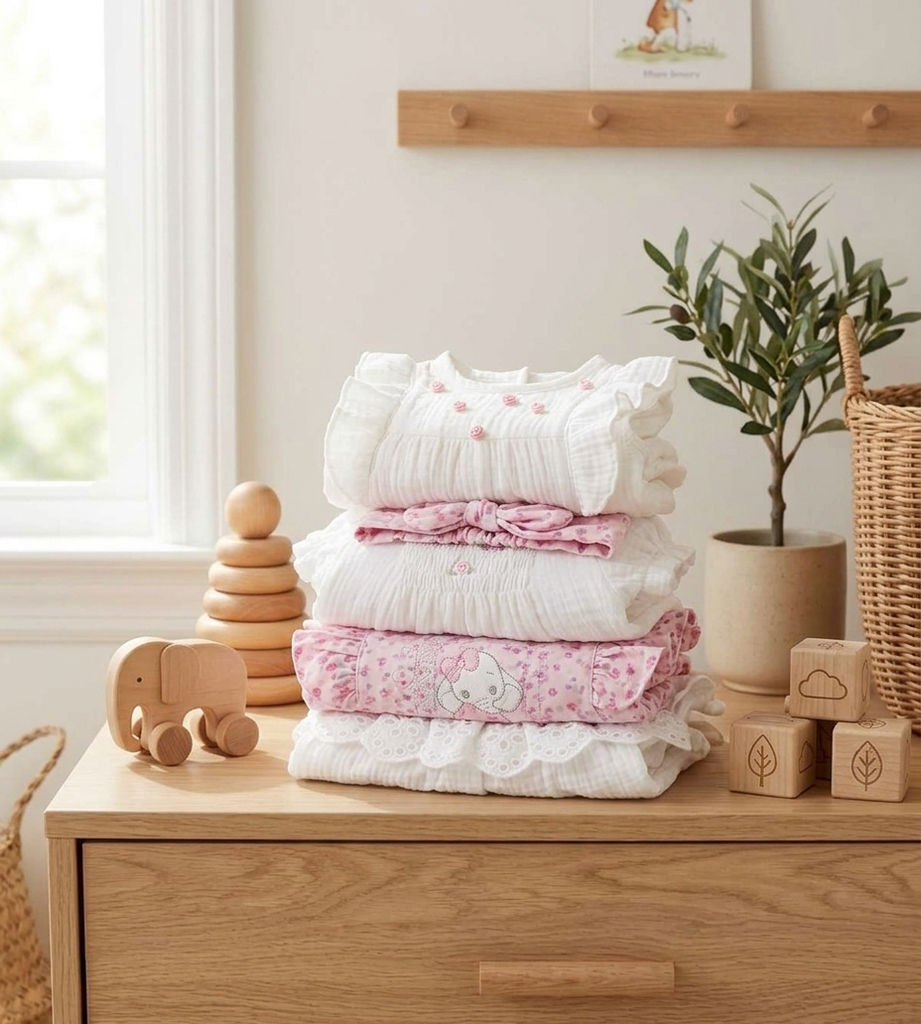
A thoughtfully planned newborn capsule wardrobe gives you fewer decisions, simpler laundry days and more time for the moments that matter: sleepy cuddles, tiny yawns and discovering your baby’s favourite outfit.
Suggested useful links
- Ugly Bugs BabyWear homepage
- Ugly Bugs BabyWear newborn clothing
- Ugly Bugs BabyWear new baby clothes
- NHS guide to dressing a newborn
- The Lullaby Trust guide to dressing a baby for sleep
Ready to build a softer, simpler baby wardrobe? Explore Ugly Bugs BabyWear for comfortable cotton clothing made for everyday little moments.