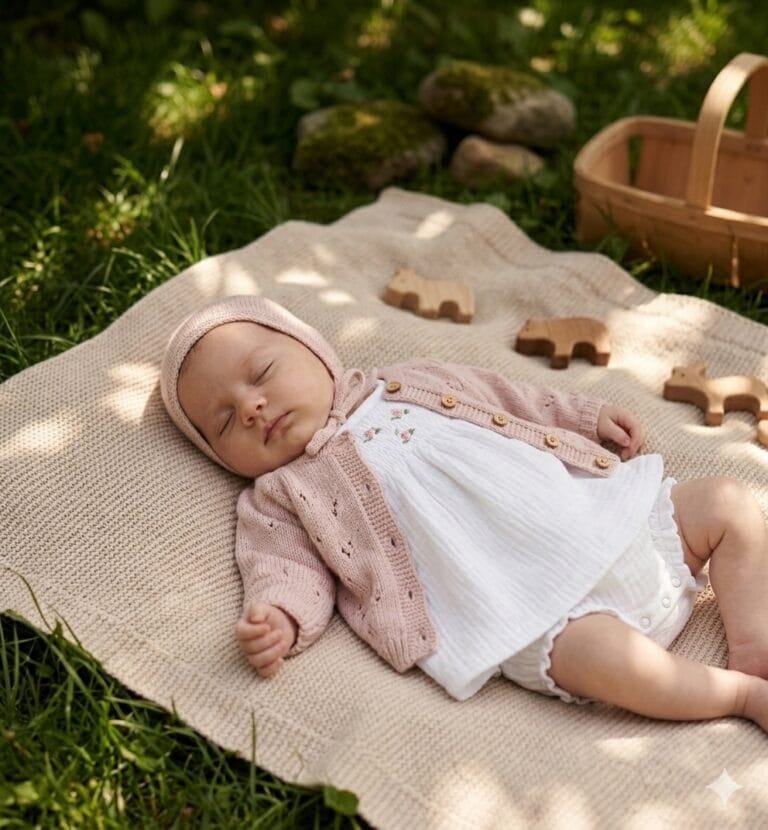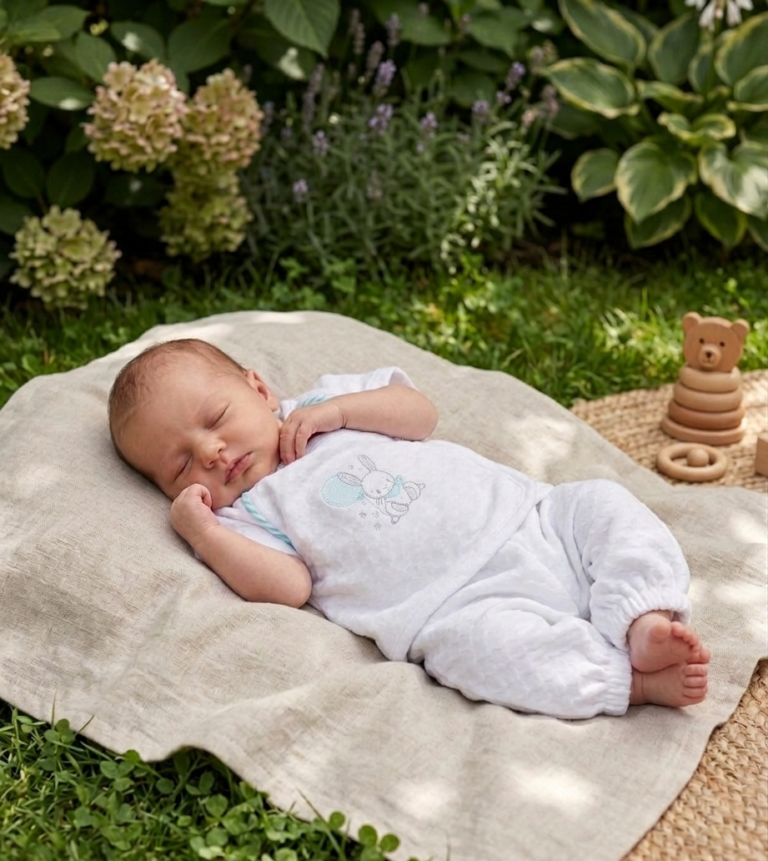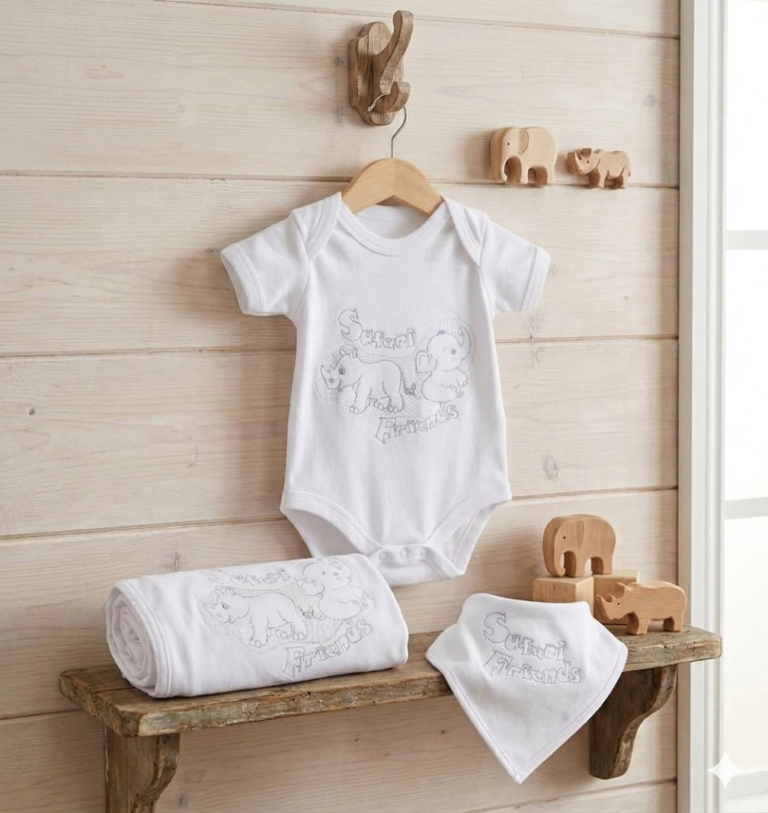
Newborn Clothing Made Easier: Build a Simple Babywear Rotation for Everyday Changes
There is a moment in early parenthood when the washing basket seems to refill by itself. A clean sleepsuit is on the baby for five minutes, a tiny milk dribble appears, and suddenly you are reaching for another outfit.
That is why preparing a newborn wardrobe is less about buying more and more about creating a small rotation that works. The best baby clothes are the pieces you can put on quickly, wash often, layer when needed and reach for without thinking too hard at 3 a.m.
Whether you are expecting your first baby or refreshing a wardrobe for a new arrival, a practical clothing rotation can make ordinary days feel a little calmer.
What is a newborn clothing rotation?
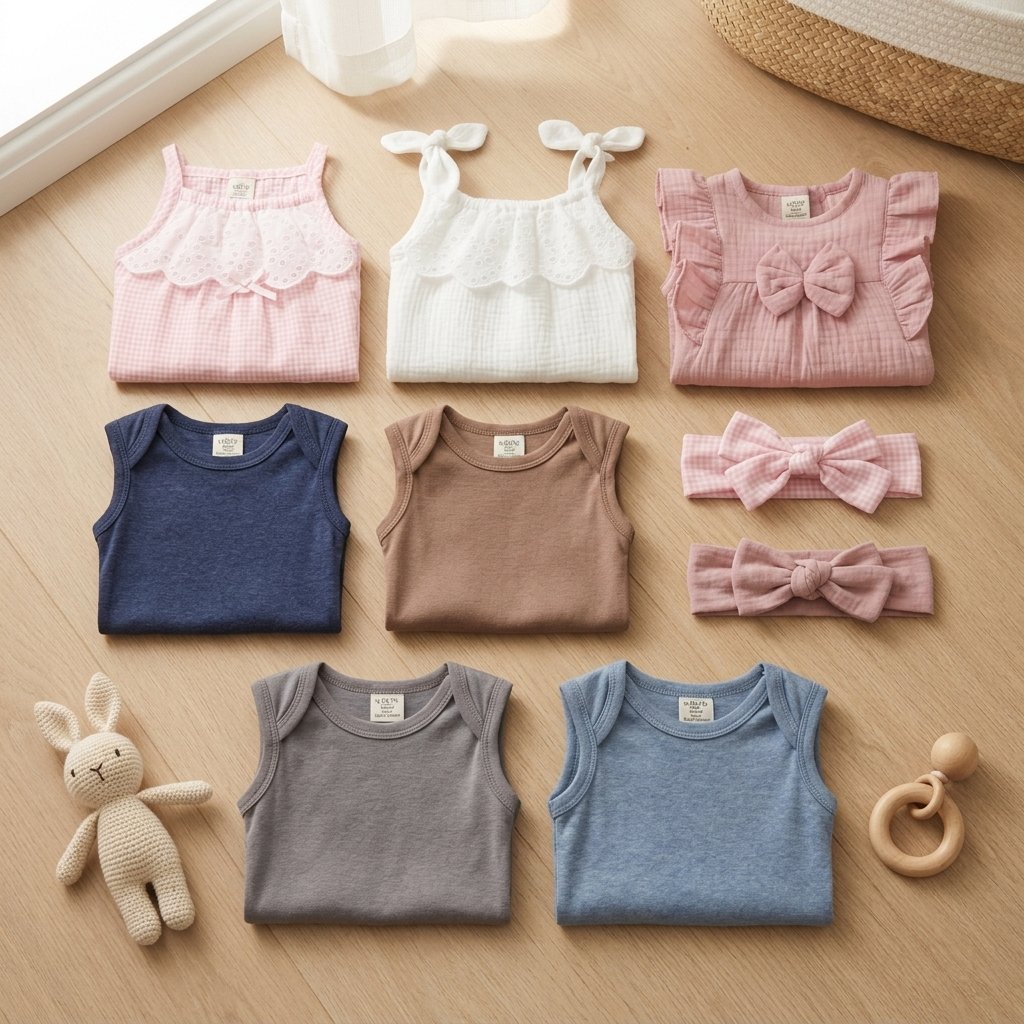
A newborn clothing rotation is a small group of everyday outfits that you wash, wear and repeat throughout the week. Instead of organising the wardrobe around special occasions or buying every adorable outfit you see, you choose dependable basics first.
A useful rotation usually includes:
- Comfortable cotton bodysuits or vests
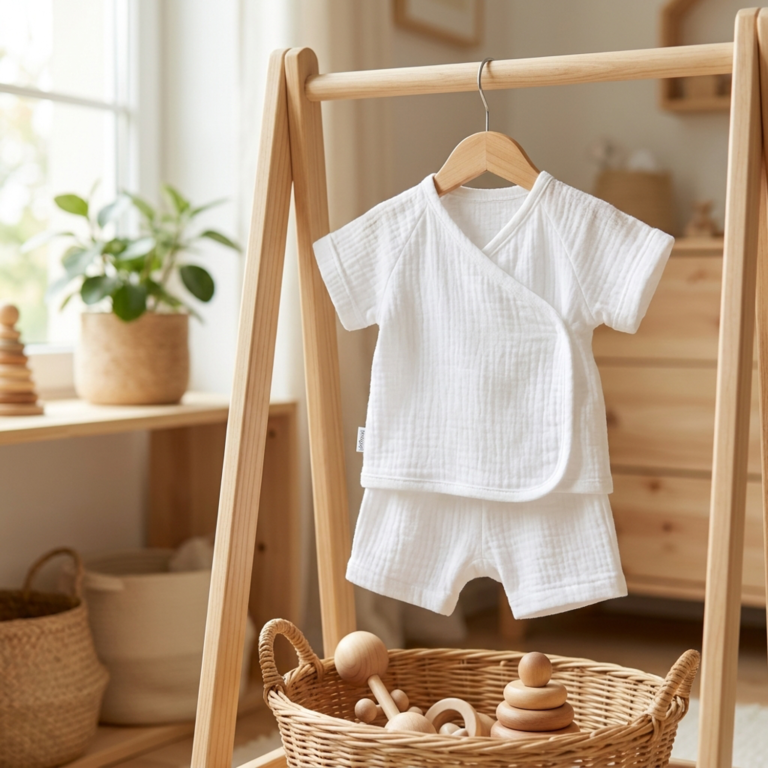
- Easy-change sleepsuits or rompers
- A few outfits for going out
- Light layers for cooler mornings and evenings
- Soft accessories suited to the weather
The exact number depends on how often you want to do laundry, whether your baby spits up frequently and how quickly your baby grows. The aim is not a perfect number. It is having enough clean options without filling every drawer with clothes your baby may outgrow quickly.
Start with easy everyday pieces
Newborns need frequent changes, so everyday clothing should make life simpler rather than slower.
Choose soft, breathable fabrics
Cotton is a practical choice for many babies because it is soft, breathable and easy to wash. It can also work well across changing South African temperatures, especially when paired with sensible layers.
Look for clothing that feels gentle against the skin and is comfortable around the tummy, legs and neck. Avoid anything that feels stiff, scratchy or overly complicated before the first wash.
You can explore Ugly Bugs Babywear’s soft 100% cotton collection for breathable everyday options.
Prioritise simple fastenings
When your baby needs a nappy change, a complicated outfit can feel like a puzzle. Front openings, poppers and well-designed zips can make changes quicker, especially when your baby is wriggly or sleepy.
A practical wardrobe might include:
- Front-fastening bodysuits for easy dressing
- Stretchy rompers for daytime wear
- Zippy onesies for quick changes
- A couple of two-piece outfits for older newborns or relaxed days at home
If you are unsure what will work best, begin with a few styles rather than buying a large quantity of one design. After a week or two, you will quickly discover which pieces you reach for most.
Build your rotation in layers
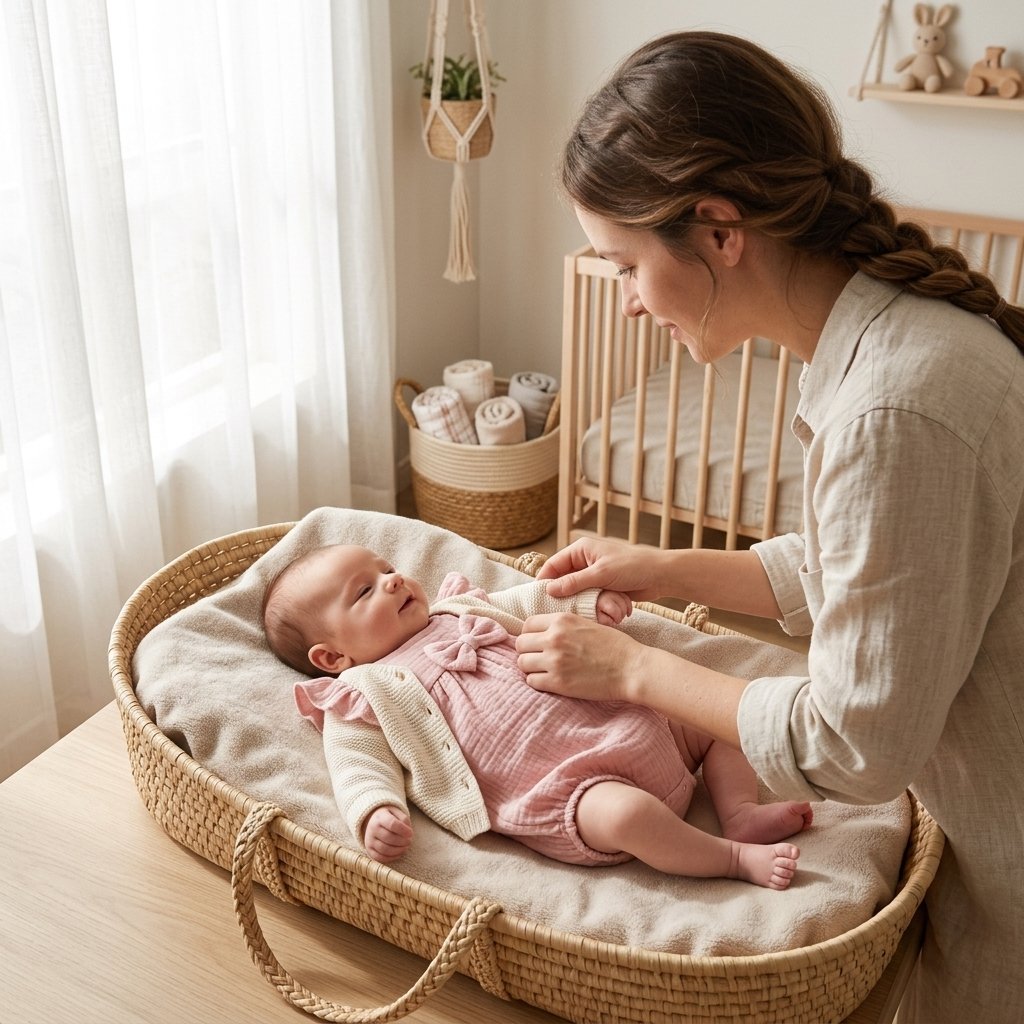
Newborns can be sensitive to changes in temperature, and the weather can vary between warm afternoons, cool evenings and air-conditioned indoor spaces. Layers allow you to adjust clothing without changing the entire outfit.
A simple daytime formula
For a mild day, a cotton bodysuit or romper may be enough. If the air is cooler, add a light cardigan, soft jacket or another breathable layer that can be removed easily.
A useful general guide is to dress your baby in roughly one more layer than you are wearing, but always consider the room, the weather and your baby’s comfort. This is only general guidance, not a substitute for advice from your midwife, doctor or other qualified healthcare professional.
Check your baby, not just the calendar
Hands and feet can feel cool even when your baby is comfortable. Instead, check the back of the neck or the tummy. If your baby feels hot, sweaty or unusually flushed, remove a layer and seek medical advice if you are concerned.
For sleep, avoid piling on clothing or bedding. Babies can overheat, and safe sleep guidance should always take priority over keeping them bundled. The NHS guide to dressing a newborn offers general information about clothing, warmth and temperature regulation.
A practical newborn wardrobe checklist
You do not need to buy everything at once. Start with a small core wardrobe and add pieces once you understand your baby’s routine.
Everyday essentials
Consider beginning with:
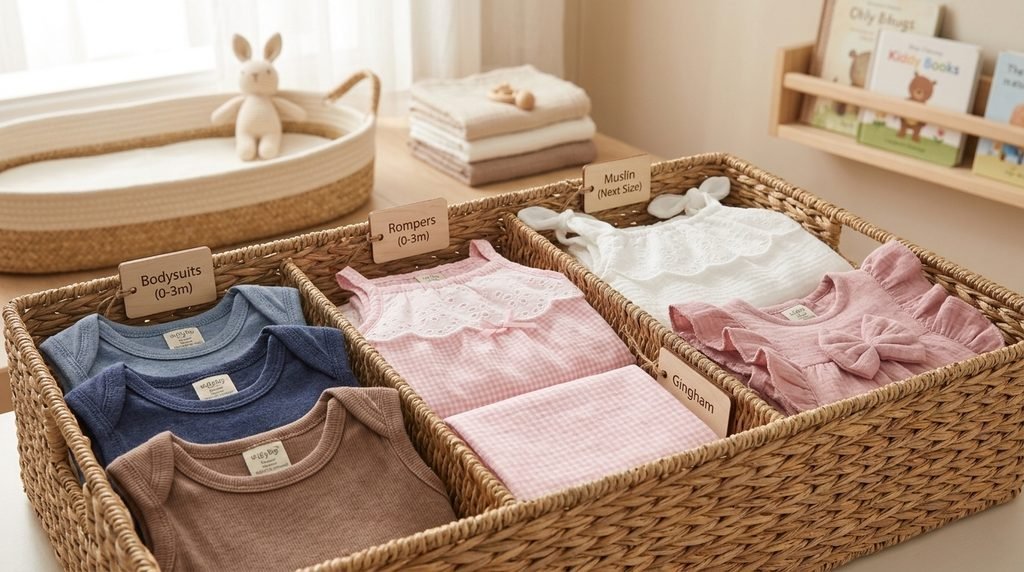
- 5–7 soft bodysuits or vests
- 5–7 sleepsuits or rompers
- 2–3 lightweight layers
- 2 comfortable outfits for visitors or outings
- 2–3 pairs of socks, depending on the season
- 1–2 soft hats for outdoor use when appropriate
You may need more or fewer items depending on laundry routines and your baby’s size. It is also helpful to include a mix of newborn and the next size up, because babies grow at different speeds and clothing labels vary between brands.
For more newborn wardrobe ideas, browse Ugly Bugs Babywear’s newborn clothing range .
Keep special outfits realistic
A beautiful outfit can be perfect for a family photo, celebration or visit. Just make sure it is still comfortable and practical enough for the occasion.
Soft fabrics, easy access for nappy changes and room for gentle movement matter more than elaborate details. A special outfit that causes fussing or takes ten minutes to fasten may spend more time in the cupboard than on your baby.
Make dressing calmer for both of you
Many newborns dislike being dressed and undressed, especially when fabric passes over their face. A calm routine can help.
Prepare before you begin
Lay out the clean nappy and outfit first. Open all poppers or zips and check that sleeves and legs are the right way round. A warm, draft-free room can make the process more comfortable.
Use your voice
Talk, sing or gently describe what you are doing. Your voice can become a familiar signal that dressing time is safe and predictable. It may also turn a rushed change into a small moment of connection.
Handle clothing gently
Support your baby’s head and neck, guide arms and legs carefully and avoid pulling fabric across the face. If a garment is difficult to put on when your baby is calm, it is unlikely to become a favourite during a midnight change.
Wash and organise for less stress
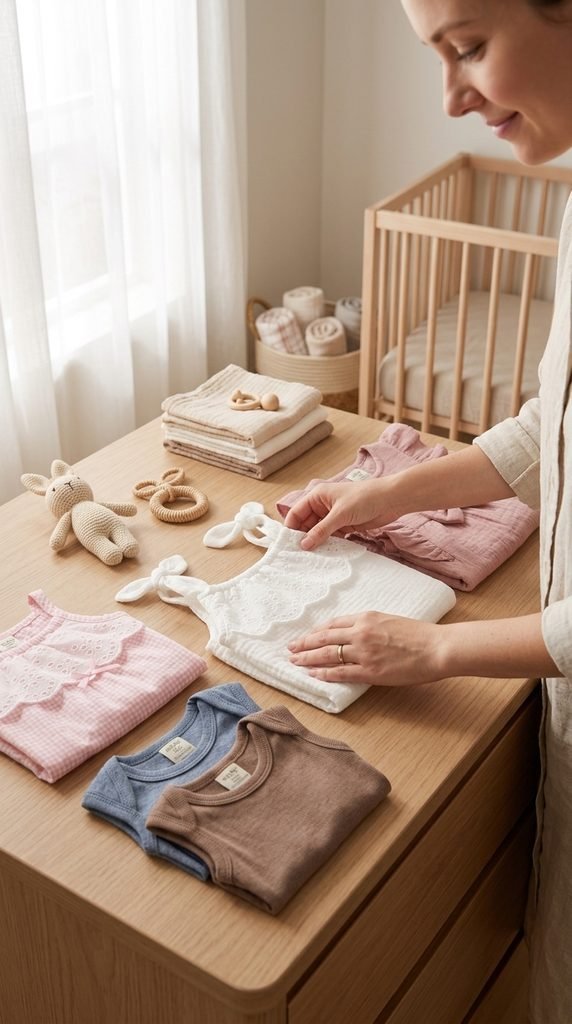
Wash new baby clothes before wearing them, following the care label. If your baby has sensitive skin or you are concerned about irritation, choose a gentle detergent and avoid heavily fragranced products.
Organise clothes by type rather than by colour. Keeping bodysuits together, sleepsuits together and next-size items in a separate drawer makes it easier to find what you need quickly.
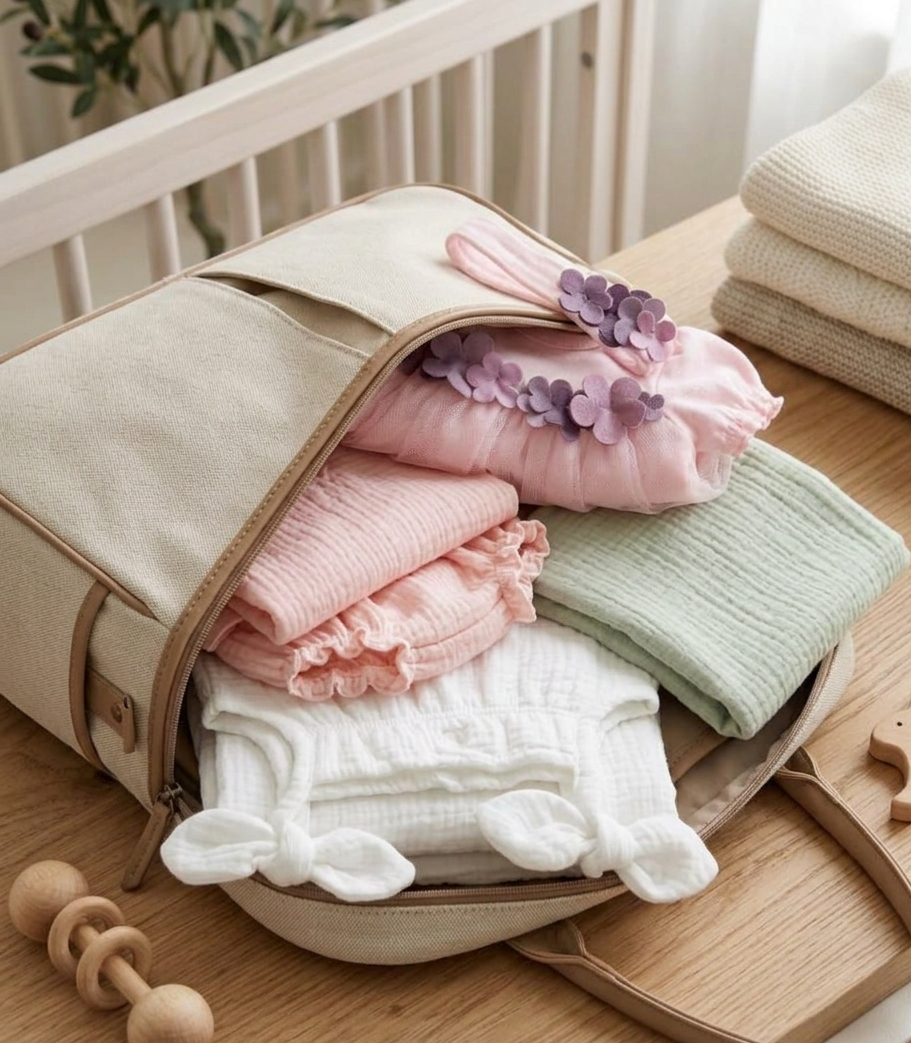
You can also keep a small change basket in the room where you spend the most time. Add two or three complete outfits, nappies and a cloth. It is a simple setup, but it can save repeated trips across the house.
The goal is comfort, not a perfect wardrobe
Your baby’s wardrobe does not need to look like a magazine spread. It needs to support real life: feeds, naps, nappy changes, laundry days, warm cuddles and unexpected outfit changes.
Choose soft pieces that are easy to use, build around a few reliable layers and buy slowly as you learn what suits your baby best. A small, thoughtful rotation can give you more flexibility than a packed cupboard full of clothes that are difficult to fasten or quickly outgrown.
For more practical options for newborns, everyday dressing and thoughtful gifts, explore Ugly Bugs Babywear . You can also shop all babywear for soft cotton pieces designed for everyday moments.