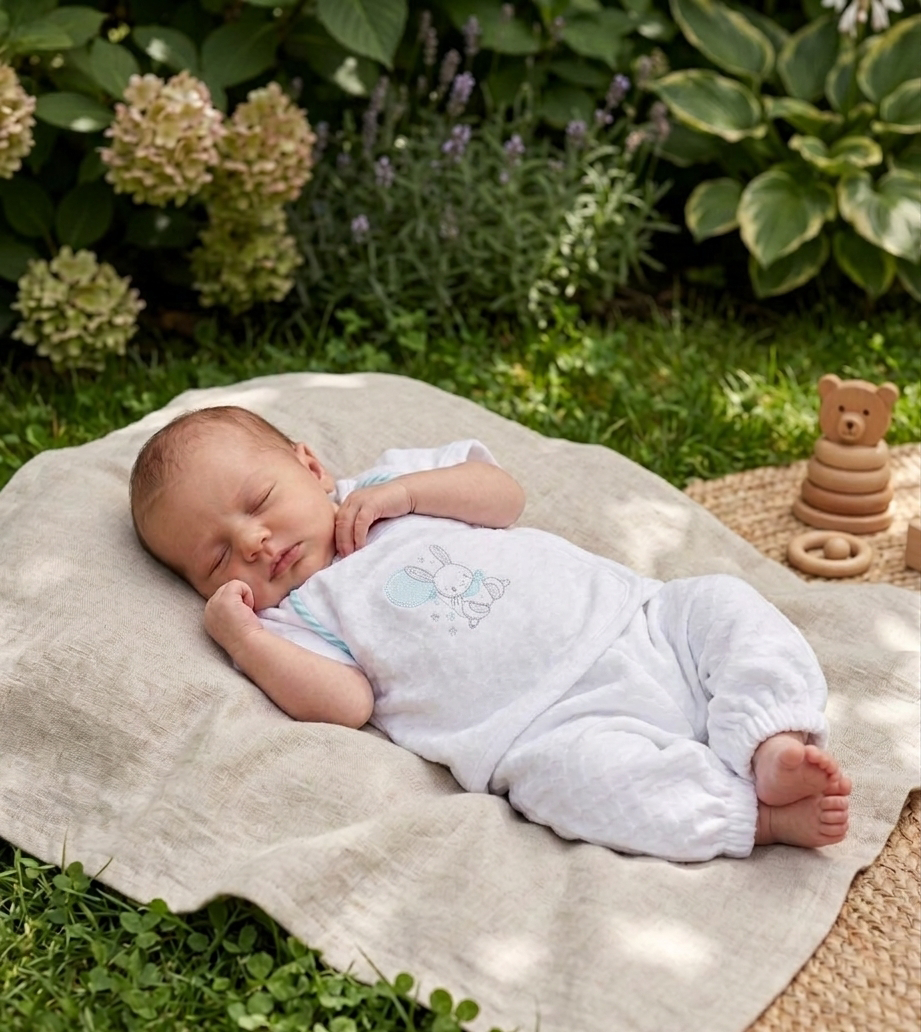
What Size Baby Clothes Should I Buy First?
What Size Baby Clothes Should I Buy First? A Guide for New Parents
Preparing for your baby’s arrival is one of the most exciting parts of pregnancy. From choosing tiny vests to picking out that special outfit for the journey home, it is easy to get carried away imagining your little one in all those adorable clothes.
But one question comes up time and time again: What size baby clothes should I buy first?
Should you buy newborn size, go straight to 0–3 months, or wait until your baby arrives before shopping?
At Ugly Bugs Babywear, we believe the answer is to start with a few practical essentials, consider your baby’s likely size, and leave yourself room to adjust as your little one grows. Most importantly, enjoy the experience and trust yourself when choosing clothes for your baby.
Here is our guide to getting your baby’s first wardrobe right.
Should I buy newborn size or 0–3 months?
Our advice? Start with a few newborn outfits and add 0–3 month clothing as you go.
The average newborn weighs around 3.5 kg at birth, although every baby is different. In our experience, many babies will fit newborn clothing for at least the first few weeks. This is why we would not automatically skip newborn size when preparing for your baby’s arrival.
There is something special about bringing your baby home in an outfit that fits properly, rather than one that is so big that your little one seems to be swimming in it.
Newborn clothes are designed for those precious early days, and a comfortable fit can make your baby’s first outfits look and feel just right.
Of course, babies grow at different rates. Some will move into the next size sooner than others, so it is best to treat age and size labels as a guide rather than a guarantee.
How many newborn outfits should I buy?
We recommend starting with around three to four newborn outfits.
This gives you a small selection to use during those first few weeks without investing too heavily in a size your baby may soon outgrow.
You can then add a few 0–3 month items and purchase more as you get to know your baby’s size and growth rate.
There is no need to have an entire wardrobe ready before your baby arrives. A few well-chosen essentials are a wonderful place to start.
What if I am expecting a big baby?
If your healthcare provider has indicated that you may be expecting a particularly large baby, you might want to adjust your shopping list.
In that case, we would buy just one or two newborn outfits, perhaps choosing something special for the journey home or those first photographs, and focus more of the budget on 0–3 month clothing.
This way, you still have the option of dressing your baby in a smaller outfit if it fits, without buying too many items they may outgrow quickly.
Remember that estimated birth weights are not exact predictions. Your baby may be smaller or larger than expected, so keeping a little flexibility in your shopping is sensible.
What if my baby arrives early or is smaller than expected?
Not every baby arrives at the size we anticipate. Some babies are born early or are simply smaller than average, and standard newborn clothing may be too big for them.
If you are concerned that your baby might be particularly small, it can be helpful to know where to find smaller sizes without buying lots of tiny outfits in advance.
We would suggest having one or two suitable tiny outfits in mind rather than filling a drawer with clothing you may never need. If your baby arrives early or has a low birth weight, ask your healthcare team what clothing and fit are appropriate, particularly if your baby needs specialist care.
The important thing is to choose clothing specifically designed and suitable for babies, with a comfortable fit and no loose or hazardous details.
Which baby clothes should I buy first?
When you are shopping for your baby’s first wardrobe, it is easy to be distracted by all the beautiful outfits available. We certainly understand that feeling!
However, it helps to balance those special purchases with practical items you will reach for regularly.
Here is what we would prioritise.
1. One special going-home outfit
Whether you are shopping for a baby girl or boy, choose at least one outfit that feels special to you.
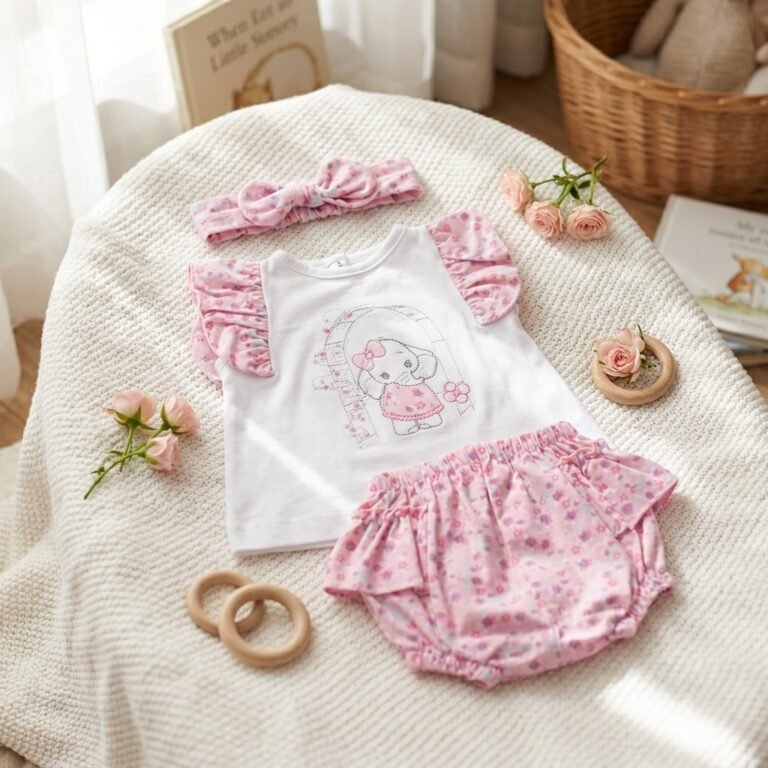
It could be a beautiful dress set, a special outfit for your little boy, or a timeless cotton ensemble you can treasure in photographs.https://uglybugsbabywear.com/100-cotton-baby-clothing-south-africa-ugly-bugs-babywear/
Your baby’s going-home outfit is a lovely opportunity to choose something meaningful. It does not need to be elaborate or expensive; it simply needs to be something you love.
At Ugly Bugs Babywear, our soft cotton, timeless range is designed for parents who appreciate those special little details.
2. Rompers and zip-up onesies
Practical clothing is just as important as those memorable outfits.
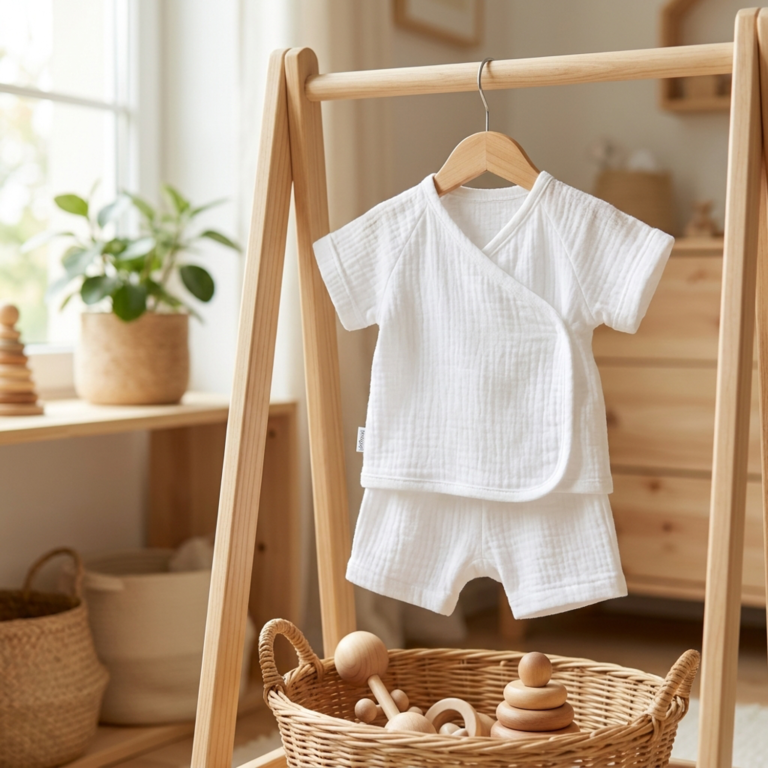
Rompers and onesies with zips can make dressing and changing your baby easier, particularly when you are still getting used to handling a tiny newborn.

Look for comfortable fabrics, a good fit and designs that make nappy changes straightforward.
You will probably appreciate simple, easy-to-wear outfits more than you realise during those early days!
3. Tiny baby vests
We would definitely include a few tiny baby vests in your shopping list.
Vests are versatile layering pieces and can help you dress your baby appropriately for changing temperatures. Choose short-sleeved and long-sleeved options so that you have some flexibility.
How many you need will depend on how often you do laundry and the weather where you live, so start with a manageable selection and add more if necessary.
4. A small selection of everyday essentials
Choose a few additional everyday pieces that work together, rather than buying lots of complete outfits.
Think about what will be comfortable, easy to put on and suitable for the season. You want clothes that make everyday life simpler while still allowing you to enjoy dressing your baby.
Should I buy lots of bigger sizes before my baby arrives?
This is where I have noticed an interesting change over the years at Ugly Bugs Babywear.
A few years ago, the trend seemed to be to buy lots of newborn clothing. More recently, I have noticed that the larger sizes are selling faster.
I suspect that many parents are waiting to see what they receive at their baby shower before buying too much themselves. And honestly, I can understand that! It makes sense to see what you have been gifted before spending money on a complete wardrobe.
However, there is one thing I would keep in mind: you may receive plenty of larger clothing as gifts, but you will still need something for those first few weeks.
Rather than buying too much in any one size, I would start with three to four newborn outfits and a few essentials, then see what you receive before adding more.
There is also nothing wrong with buying a special outfit before your baby arrives if you find something you truly love. I know that if I came across a timeless, special piece, I would be tempted to buy it straight away in newborn or 0–3 month size rather than risk missing out if it sold out.
You can be sensible with your budget and still enjoy choosing something beautiful for your baby.
How do I know when my baby needs the next size?
Baby clothing sizes can be confusing because babies do not all grow at the same rate.
Rather than relying entirely on the age printed on the label, pay attention to how the clothing fits your baby.
One of the signs I look for is when an item becomes difficult to dress the baby in. If getting your little one into a particular outfit becomes a struggle, it may be time to check the fit and consider moving up a size.
Other things to look out for include:
- Clothing that pulls tightly across the shoulders, chest or nappy area.
- Sleeves or legs that are becoming too short.
- Fastenings that are difficult to close without pulling the fabric.
- A garment that restricts your baby’s movement or no longer fits comfortably.
Clothing should never feel tight or restrict movement. If you are unsure, choose a better-fitting garment rather than trying to make a small item last longer.
Our suggestion is to have just one or two items in the next size up ready. As you see how your baby grows, you can purchase more of what you need.
This avoids buying a whole new wardrobe before you know whether your baby will grow quickly or gradually.
Do all baby clothing brands fit the same?
Absolutely not! This is something I think every new parent should know.
A newborn size from one manufacturer may fit differently from a newborn size from another. Some brands have a snugger fit, while others allow more room.
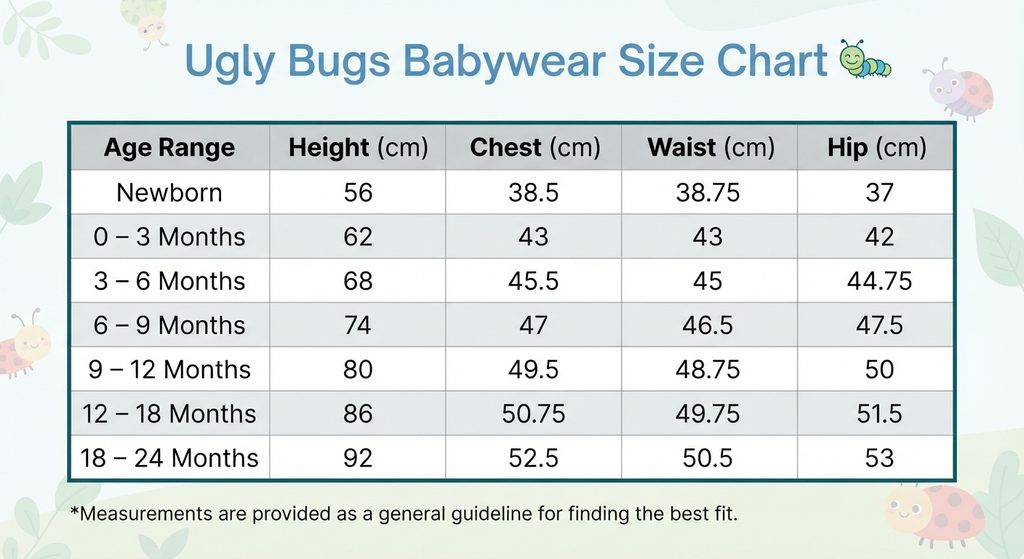
At Ugly Bugs Babywear, our sizes are very generous. That is worth keeping in mind when choosing your little one’s clothing, particularly if you are comparing our sizing with another brand.
Try not to treat the size label as an exact measurement of your baby’s age or size. Instead, consider the garment’s actual fit, the manufacturer’s sizing guidance and your baby’s proportions.
If you are shopping online and are unsure which size to choose, ask the retailer for advice before ordering. A little guidance can help you make a more confident decision.
Should I consider the weather when buying newborn clothes?
Definitely. Here in KwaZulu-Natal, we know that the weather can be unpredictable, and the same can be true in many parts of South Africa.
Even if your baby is due in summer, I would have a few items suitable for cooler days. You do not necessarily need thick fleece clothing for a summer baby, but long-sleeved vests or other lightweight layers can be useful when temperatures drop.
Newborns do not regulate their body temperature in the same way older children and adults do, so it is important to dress them appropriately and check that they are not becoming too hot or too cold.
A few simple guidelines can help:
- Have a mix of short and long sleeves. This gives you options when the weather changes.
- Choose layers. It is easier to adjust clothing as conditions change.
- Avoid overdressing. More layers are not always better, especially in warm weather.
- Check your baby’s temperature. The chest or back of the neck can help you assess whether your baby feels too warm or cool. Hands and feet may feel cooler than the rest of the body.
- Consider the sleeping environment. Follow safe-sleep guidance and avoid overheating your baby with excessive clothing or bedding.
You do not need to buy clothing for every possible weather condition. Just give yourself a few options so that you are not caught unprepared when the temperature changes.
Should I wait until after my baby shower to buy clothes?
Waiting to see what you receive at your baby shower can be a sensible way to avoid buying duplicates.
However, I would not leave absolutely everything until then.
Start with the essentials you know you will need, especially a few newborn outfits and practical everyday pieces. Once you know what your friends and family have gifted you, you can fill in the gaps.
And if you find a truly special outfit that you adore, there is no reason you cannot buy it before the baby shower. Some pieces are worth choosing simply because they feel right for your little one.
The trick is to find a balance between being prepared and leaving yourself room to make decisions later.
A simple baby clothing shopping list
If you are still wondering where to begin, here is a straightforward starting point.
| Clothing item | Suggested starting point |
|---|---|
| Newborn outfits | 3–4 |
| Special going-home outfit | 1 |
| Rompers or zip-up onesies | A few |
| Tiny baby vests | A few, in short and long sleeves |
| 0–3 month outfits | 1–2 to start |
| Additional clothing | Buy as needed after your baby arrives |
This is a starting guide, not a strict shopping rule. You may need more or less depending on your laundry routine, the weather, your baby’s size and the gifts you receive.
If you are expecting a particularly large baby, you may choose fewer newborn outfits and more 0–3 month clothing. If your baby is expected to be smaller, you might prefer to have a few smaller options available.
The goal is not to have the fullest wardrobe. It is to have enough comfortable, practical clothing to get you through those first days without unnecessary spending.
Final thoughts: Trust yourself when shopping for your baby
If there is one thing I would love every new parent to remember, it is this: trust yourself when shopping for your baby.
You do not have to buy everything in advance, follow every trend or choose clothing based only on the age printed on a label.
Start with a few newborn essentials, consider what size your baby is likely to be, and add more clothing as you learn what works for your little one.
But do not feel that everything has to be practical, either. There is absolutely nothing wrong with buying special items for your baby simply because you love them.
Those first outfits are part of a very special time in your family’s life. They may appear in your first photographs, accompany your baby on the journey home, or become little keepsakes you look back on for years to come.
At Ugly Bugs Babywear, we believe in those special moments. Our soft cotton, timeless range is for parents who appreciate beautiful baby clothing that feels as special as the little person wearing it.
Shop thoughtfully, enjoy the process, and remember that you do not need to have everything figured out before your baby arrives.
Sometimes, a few carefully chosen essentials and one very special outfit are the perfect place to start.
Explore the timeless collection at Ugly Bugs Babywear and find something special for your little one.
Frequently asked questions
Is newborn size worth buying?
For many babies, yes. We recommend starting with three to four newborn outfits, as many babies fit this size during their first few weeks. If you are expecting a particularly large baby, consider buying fewer newborn items.
Should I buy newborn or 0–3 months for the hospital bag?
Choose an outfit based on your baby’s likely size, and consider packing one newborn outfit and one 0–3 month outfit if you have room. This gives you an alternative if the first outfit does not fit as expected.
How long will my baby wear newborn clothes?
It varies from baby to baby. Some outgrow newborn clothing quickly, while others wear it for several weeks. Check the actual fit rather than relying only on age or weight labels.
Should I buy a lot of baby clothes before birth?
Not necessarily. Start with a few newborn outfits and everyday essentials, then see what you receive at your baby shower before buying more. This can help you avoid unnecessary spending and duplicate items.
Do baby clothing sizes differ between brands?
Yes. Manufacturers use different sizing guidelines, and some brands fit more generously than others. Ugly Bugs Babywear sizes are generous, so check the relevant sizing guidance when choosing your baby’s clothes.
What if my baby is born smaller than expected?
If your baby is particularly small or arrives prematurely, ask your healthcare team what sizes and clothing are appropriate. Look for garments designed specifically for babies and check that they fit safely and comfortably.